25-Year-Old Law Student Charged After Suspected Car Bomb Intercepted Near Irish Border
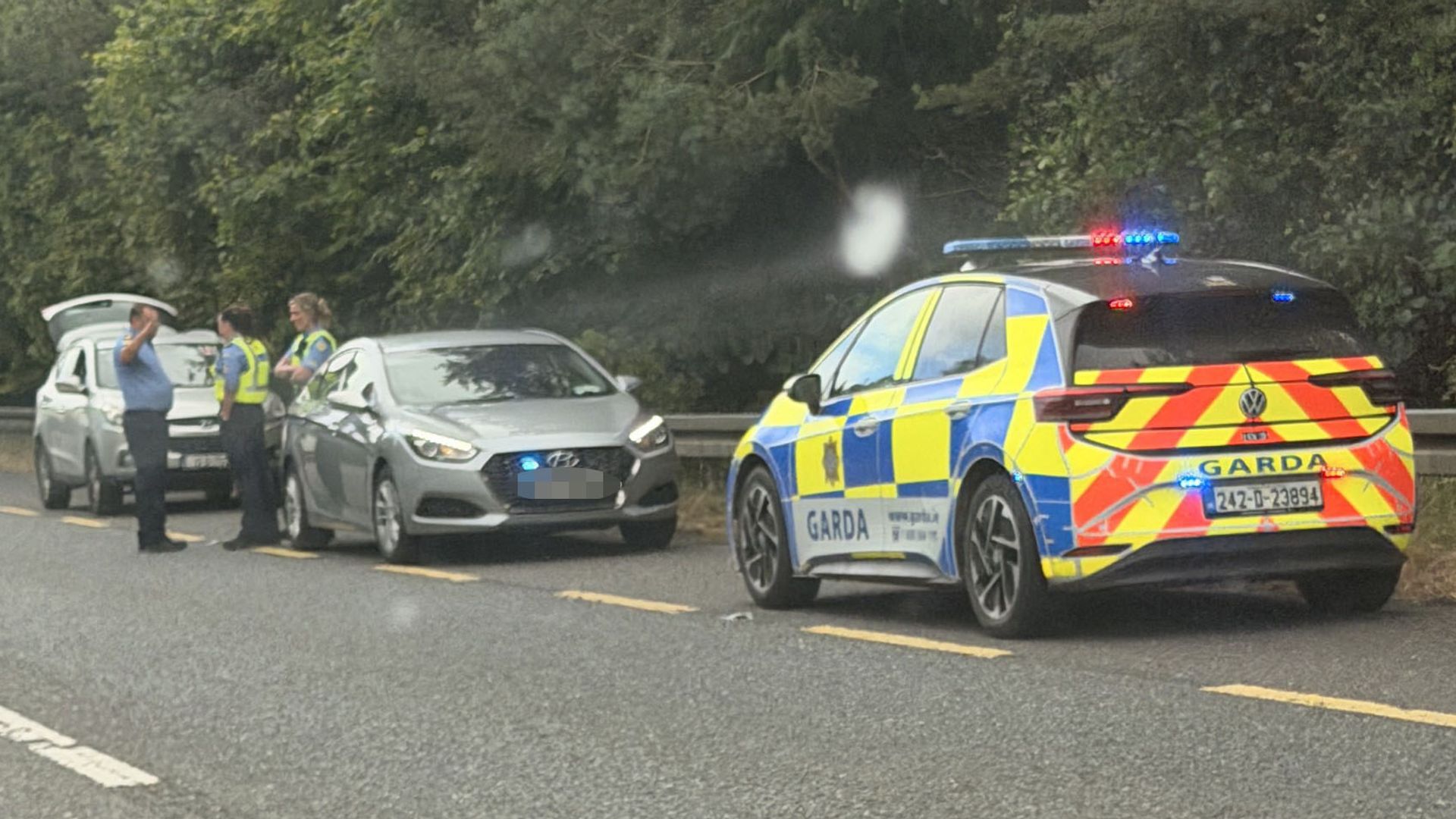
A 25-year-old law student faces charges after Irish police intercepted a suspected car bomb near the Northern Ireland border.
A 25-year-old law student has been charged by Irish authorities following the interception of a suspected car bomb near the border with Northern Ireland. The discovery and subsequent charges mark a significant development in security efforts in the region.
The incident occurred in a location that has historically been sensitive due to the proximity of the border and ongoing security concerns. The interception of the device is a testament to the vigilance of law enforcement agencies operating in the area.
Details surrounding the alleged car bomb remain limited, but authorities confirmed the arrest and charging of the individual. The law student, whose identity has not been released, is facing multiple charges related to the incident. The nature of the device and the intended target, if any, are still under investigation.
This event raises immediate questions about potential threats and the broader security landscape in Ireland and Northern Ireland. Law enforcement agencies are expected to provide further updates as the investigation progresses, with a focus on understanding the full scope of the alleged plot.
The border region between the Republic of Ireland and Northern Ireland has been a focal point for security operations for decades, particularly in light of past conflicts. The presence of such a device, if confirmed, underscores the persistent challenges faced by authorities in maintaining peace and stability.
Sources close to the investigation have indicated that the operation was the result of a coordinated effort between multiple security services. The swift action taken to intercept the device is being credited with preventing a potentially catastrophic event.
Legal proceedings are now underway, with the accused expected to appear in court. The charges filed against the law student are serious and reflect the gravity of the alleged offense. The public will be looking for clarity on the motivations and any potential accomplices involved.
Further analysis will likely focus on the methods used to discover the device, the investigative techniques employed, and the potential impact on cross-border security cooperation. The case highlights the ongoing need for robust intelligence gathering and rapid response capabilities.
This article was written by AI based on publicly available news reporting. Original reporting by the linked source.