India Tunnel Disaster: 25 Workers Dead as Final Bodies Recovered
The final 13 trapped workers were recovered, bringing the death toll to 25 in India's collapsed hydropower tunnel disaster.
The grim discovery of the final 13 workers trapped inside a collapsed hydropower tunnel in India has tragically raised the confirmed death toll to 25. The recovery operation, which has been ongoing since the incident, concluded with the finding of the remaining missing individuals.
The collapse occurred at the Tapovan-Vishnugad hydropower project in the Chamoli district of Uttarakhand. The tunnel was under construction when a section gave way, trapping dozens of workers deep within. The exact cause of the collapse remains under investigation, but initial reports suggested a potential geological instability or structural failure.
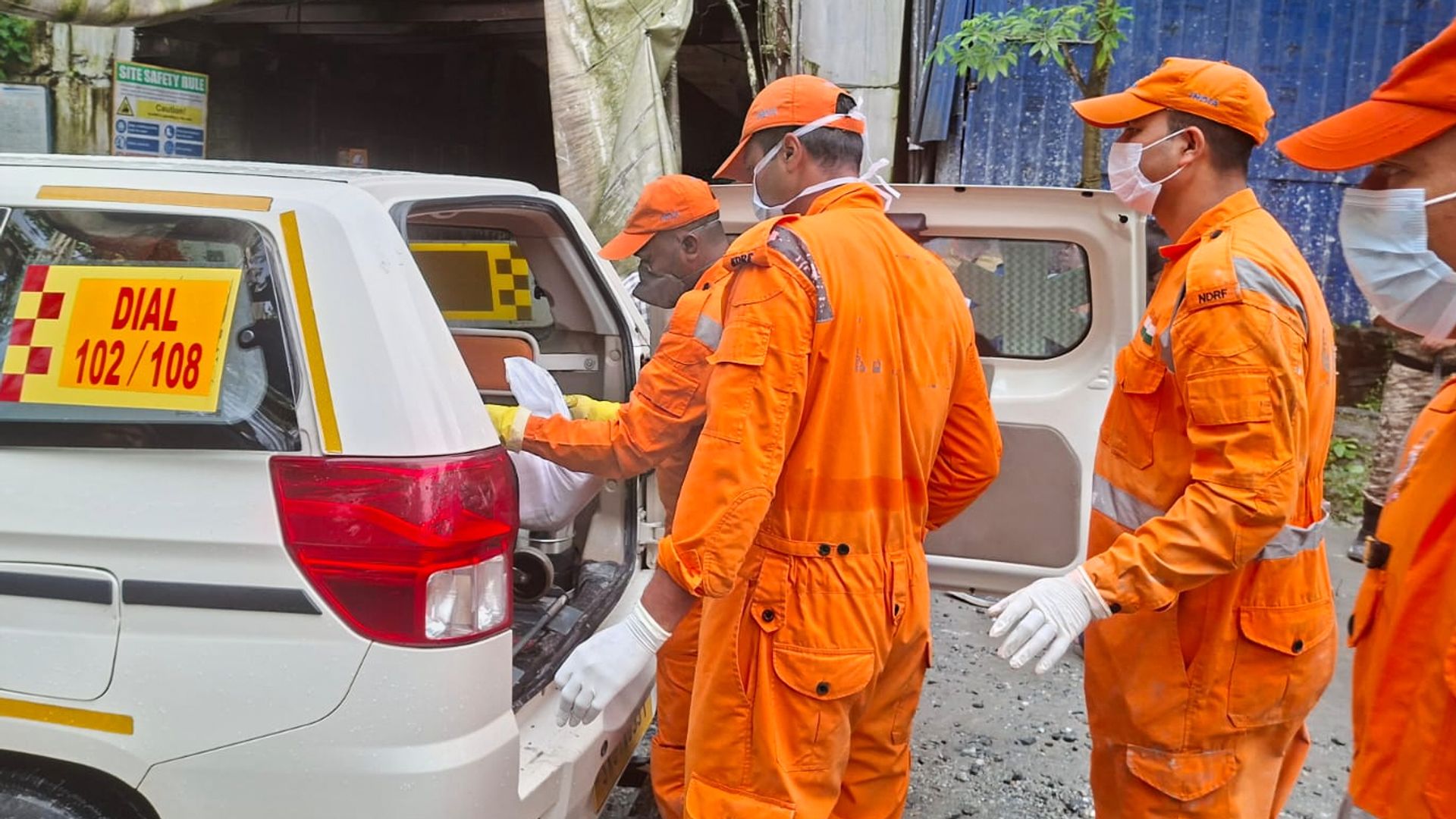
Rescue efforts were immediately launched, involving hundreds of personnel from various agencies, including the National Disaster Response Force. However, the challenging terrain and the unstable nature of the tunnel posed significant obstacles. Families of the trapped workers waited anxiously for news, enduring days of uncertainty and grief.
With the recovery of all 25 bodies, the focus now shifts to the official identification process and providing support to the bereaved families. The incident has once again highlighted concerns about safety standards in large-scale infrastructure projects in the region, particularly those undertaken in geologically sensitive areas.
This disaster is not the first of its kind in the Himalayas, a region known for its seismic activity and complex geological formations. Previous incidents have also raised questions about the adequacy of safety protocols and environmental impact assessments for such ambitious projects. Authorities have pledged to conduct a thorough inquiry into the tunnel collapse.
Experts have pointed to the need for more stringent geological surveys and real-time monitoring systems during the construction of tunnels and dams in mountainous regions. The potential for landslides and seismic events in the Himalayas requires a cautious and scientifically informed approach to infrastructure development.
Further investigations are expected to examine the engineering plans, construction practices, and any potential warnings that may have been overlooked. The findings of these inquiries will be crucial in determining accountability and implementing measures to prevent future tragedies.
As the nation mourns the loss of the 25 workers, the incident serves as a stark reminder of the inherent risks involved in major construction projects and the paramount importance of prioritizing worker safety and environmental stewardship.
This article was written by AI based on publicly available news reporting. Original reporting by the linked source.