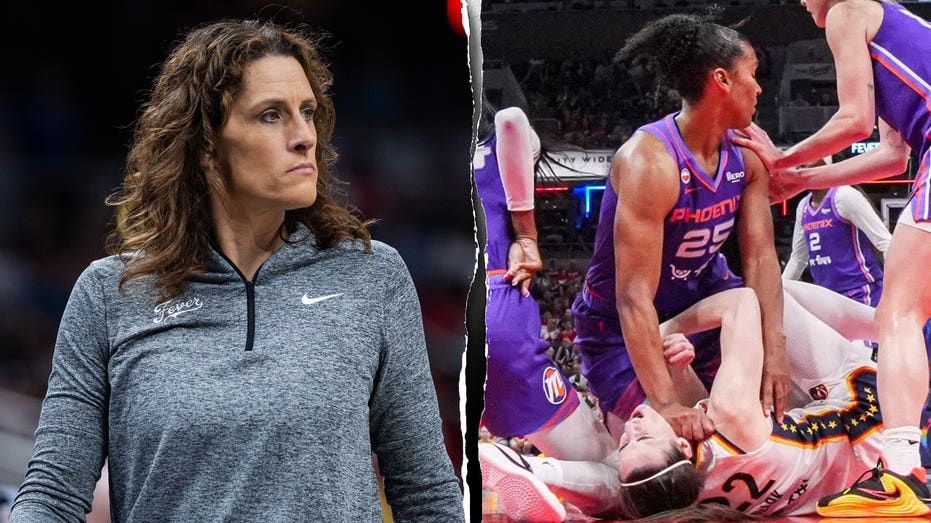
Fever Coach White Dodges Question on GOP Letter Regarding Caitlin Clark
Indiana Fever coach Stephanie White deflected questions about a letter from Republican lawmakers concerning Caitlin Clark's treatment in the WNBA.
Indiana Fever head coach Stephanie White declined to directly address a letter sent by 11 Republican lawmakers to WNBA Commissioner Cathy Engelbert, which alleged that star player Caitlin Clark is facing "racially motivated hostility." The lawmakers expressed concerns about the treatment of Clark, the league's most prominent rookie.
White was asked about the letter during a press conference on Monday but chose to pivot to discussing the team's focus on basketball operations. The letter, dated July 8, specifically cited instances of "hostility" and "disparities in media coverage" that the signatories believe are unfairly directed at Clark, who is white. The Republican lawmakers also raised concerns about potential racial bias in how Clark is treated by opponents and the league.
While White did not comment on the political letter, she has previously addressed the physicality Clark has faced on the court. Earlier in the season, White stated that Clark was "a tough player" and that "she knows how to take a hit." However, White also acknowledged that opposing teams have been more physical with the rookie than anticipated.
The controversy surrounding Clark's treatment has been a recurring theme since her arrival in the WNBA. Her unprecedented popularity has brought increased attention to the league, but also scrutiny of the on-court interactions she experiences. Some observers have suggested that opponents are targeting Clark, while others argue she is simply experiencing the typical physicality of professional basketball.
The letter from the Republican lawmakers adds a political dimension to the ongoing discourse about Clark's integration into the WNBA. The signatories appear to be framing the issue as one of potential racial bias, a narrative that has drawn varied reactions across sports and political spheres. The WNBA has not yet issued a formal response to the letter.
White's decision to sidestep the question on the letter suggests a desire to keep the focus on the Fever's performance and avoid engaging in a politically charged debate. Her coaching staff and players have consistently emphasized the need for the team to concentrate on their game, regardless of external narratives.
As the WNBA season progresses, the attention on Caitlin Clark and the Indiana Fever is expected to remain intense. How the league and its teams navigate these conversations, particularly those with political undertones, will continue to be a significant storyline.
This situation highlights the broader challenges faced by high-profile athletes who become lightning rods for public discussion, often drawing in various interest groups beyond the immediate sports community.
This article was written by AI based on publicly available news reporting. Original reporting by the linked source.