Fed Holds Rates Steady Amid Inflation Surge, Midterm Elections Near
The Federal Reserve paused interest rate hikes Wednesday, maintaining current levels as inflation accelerates and the midterm elections approach.
The Federal Reserve held its benchmark interest rate steady on Wednesday, a move that comes as the U.S. grapples with a persistent surge in inflation just weeks before the midterm elections.
The central bank's decision to pause rate increases reflects its ongoing effort to manage economic conditions, balancing the need to curb rising prices with concerns about potentially slowing economic growth. The current federal funds rate target range remains between 3.75% and 4%.
This pause follows a quarter-percentage-point rate hike in the previous month, which marked the first increase in three years. Officials are hoping this policy adjustment will eventually cool inflation by moderating demand, though the effects typically manifest over several months. Inflation stood at 3.7% in September compared to the previous year, significantly above the Fed's 2% target.
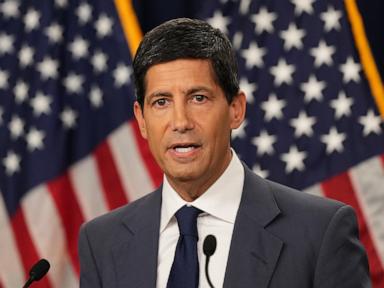
Federal Reserve Chair Kevin Warsh stated at a press conference in Washington, D.C., that policymakers decided to maintain current rates to allow for the assessment of additional economic data. He indicated that accumulating more information is crucial for determining the appropriate policy to ensure inflation returns to the 2% goal in a timely manner.
Warsh expressed optimism about the overall U.S. economic performance, noting that economic activity is expanding robustly. He acknowledged that geopolitical developments contribute to uncertainty, but emphasized the resilience of domestic spending. Despite these positive signs, the accelerating price increases, particularly in September, have put pressure on the Fed.
Market sentiment, as measured by CME Group's FedWatch Tool, suggests an approximately 80% probability of a quarter-point rate hike at the Fed's next meeting in December. This indicates that policymakers may be nearing a point where they consider further tightening if inflation does not show signs of abating. Such a move would involve slowing the economy more aggressively, potentially risking slower growth and job losses.
Recent data from the U.S. Bureau of Labor Statistics revealed that inflation reached a four-month high in September, partly due to rising fuel prices influenced by unrest in the Middle East. This development adds to the challenge facing the Fed as it seeks to control price hikes without unduly harming economic momentum.
In addition to the rate decision, Warsh announced adjustments to the Fed's meeting schedule. The Fed plans to convene seven rate-setting meetings in 2027, down from eight this year, and will reduce this to six meetings in 2028. Warsh explained that while timely, regular, and information-rich intervals are important for policy assessment, reserving flexibility is also key.
This article was written by AI based on publicly available news reporting. Original reporting by the linked source.