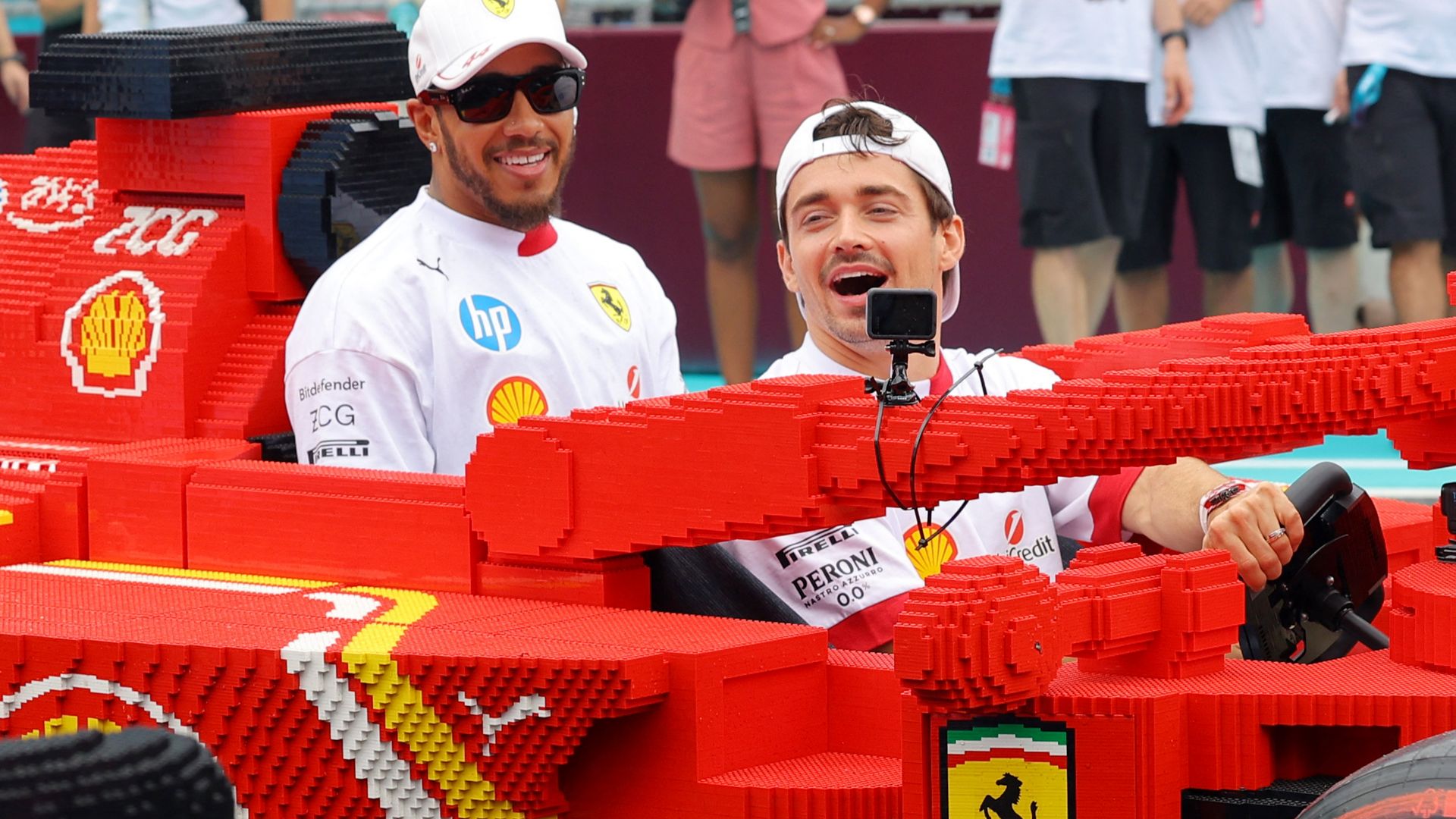
F1 Stars Slam 'Clownish' Lego Car Parade at British Grand Prix
Formula 1 drivers have voiced strong criticism regarding the novelty Lego cars used for the British Grand Prix parade lap, deeming them unprofessional.
Formula 1 drivers have expressed significant dissatisfaction with the decision to feature them in Lego cars during the pre-race parade lap at Sunday's British Grand Prix. The move, intended as a lighthearted spectacle, was met with a barrage of criticism from several prominent drivers who felt it undermined the sport's professionalism.
The parade lap, a traditional part of Grand Prix weekends, offers drivers a chance to engage with fans and showcase the cars before the main event. However, this year's iteration saw drivers navigating the Silverstone circuit in oversized, novelty Lego replicas of their F1 machines, a concept that clearly failed to resonate with the competitors.
Multiple drivers, speaking after the event, described the experience as undignified. Concerns were raised about the appearance and the potential for the unusual vehicles to detract from the serious nature of Formula 1 racing. The drivers felt that parading in such a manner made them appear less like elite athletes and more like entertainers in a costume.
The backlash suggests a potential disconnect between the sport's organizers and its participants regarding fan engagement strategies. While novelty events can be popular, the strong negative reaction indicates that Formula 1 may need to reconsider its approach to ensure such activities align with the drivers' professional image and the sport's global standing.
One driver was quoted as saying, "We should not look like kids and clowns." This sentiment was echoed by others who felt the Lego cars were inappropriate for the stature of Formula 1. The drivers are accustomed to showcasing cutting-edge technology and fierce competition, and the contrast with the playful, child-oriented Lego cars was stark.
This incident highlights a recurring tension in professional sports between the desire for commercial appeal and entertainment, and the athletes' need to maintain a serious, professional image. While sponsors and organizers might see value in such playful activations, the athletes themselves often feel they are being asked to compromise their hard-earned credibility.
Further analysis of driver feedback will likely inform future decisions regarding pre-race entertainment. It remains to be seen if Formula 1 will implement stricter guidelines for such promotional activities or if this was an isolated incident prompted by the specific partnership with Lego.
The incident raises questions about the balance between innovation in fan engagement and respecting the established gravitas of a sport like Formula 1. The drivers' unified front in their criticism suggests that maintaining a professional image remains a paramount concern for those competing at the highest level.
This article was written by AI based on publicly available news reporting. Original reporting by the linked source.