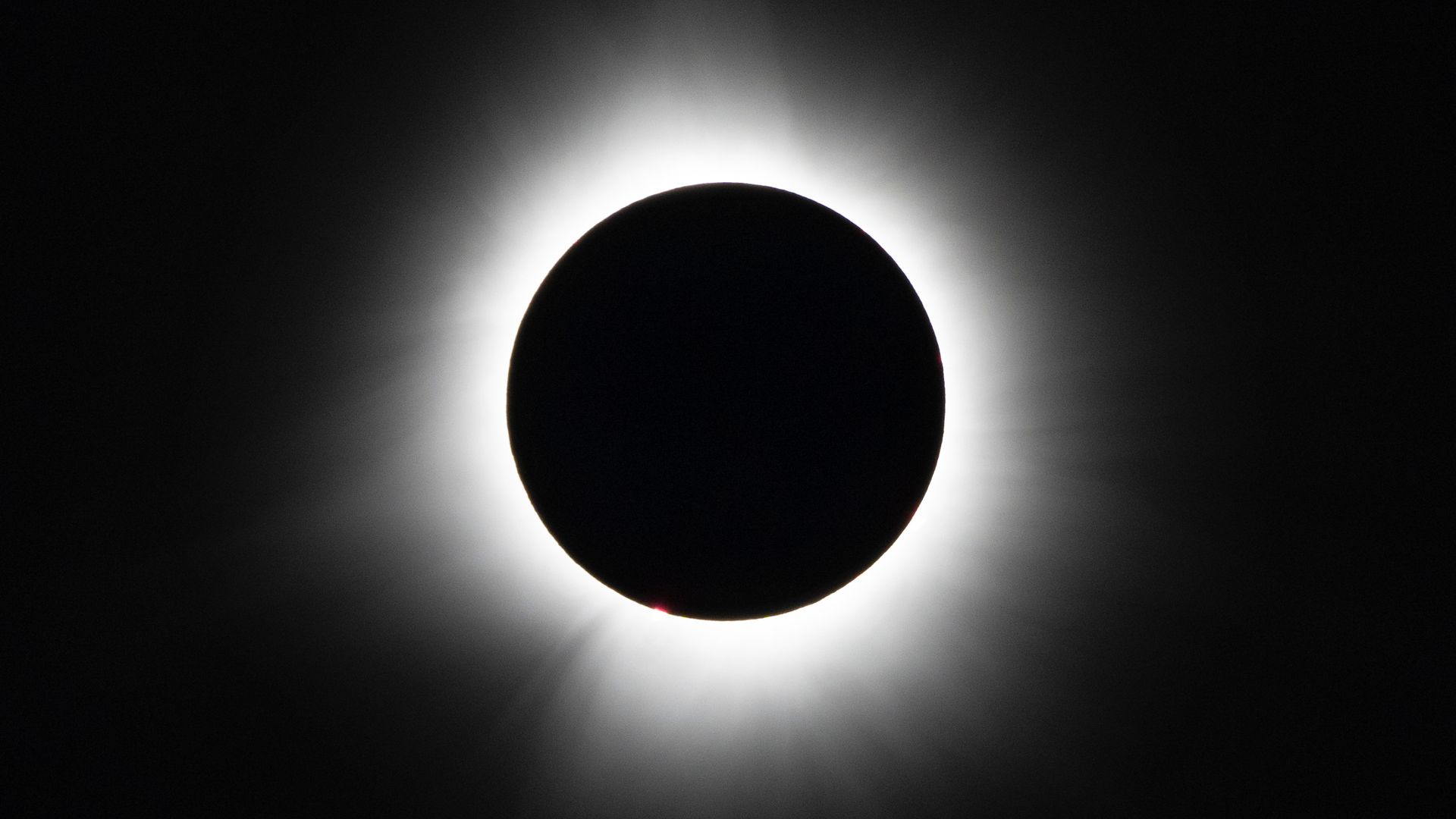
Europe Sees First Solar Eclipse in 30 Years This Month
Europeans will witness their first solar eclipse in nearly 30 years this month, offering a rare celestial spectacle.
This month, audiences across Europe will be treated to a rare celestial event: the continent's first solar eclipse in almost three decades. This astronomical phenomenon occurs when the Moon passes between the Sun and Earth, casting a shadow on the planet.
The upcoming eclipse presents a unique opportunity for skygazers to observe a phenomenon that has not been visible from Europe for a significant period. Solar eclipses are relatively infrequent events for any given location, making this a noteworthy occasion for those in the affected regions.
While the exact path and visibility will vary, the event is anticipated to draw considerable public interest. Experts note that the precise timing and location of optimal viewing will be crucial for those hoping to experience the eclipse in its full glory. Detailed forecasts and viewing guides are expected to be released by astronomical organizations.
The implications of such an event extend beyond mere visual spectacle. It serves as a reminder of the dynamic nature of our solar system and can inspire interest in astronomy and science education. For many, it will be a once-in-a-lifetime opportunity to witness such an alignment.
Historically, solar eclipses have captivated human imagination for millennia, often interpreted through cultural and scientific lenses. Ancient civilizations often viewed eclipses with awe and sometimes trepidation, while modern science uses them to study the Sun and its atmosphere.
Astronomers emphasize the importance of safety during viewing. Direct sunlight, even when partially obscured by the Moon, can cause severe and permanent eye damage. Specialized eclipse glasses or indirect viewing methods are essential for anyone planning to observe the event directly.
Comparisons to previous eclipses visible in Europe highlight the rarity of this occurrence. The last time a solar eclipse of this magnitude was observable across the continent was in the late 1990s, underscoring the generational gap between these celestial alignments.
Further details regarding the specific dates, times, and geographical areas within Europe that will experience the most significant visibility are anticipated to be announced by scientific bodies. Public engagement is expected to be high, with potential for organized viewing events in various locations.
This article was written by AI based on publicly available news reporting. Original reporting by the linked source.