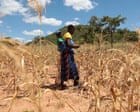
El Niño Threatens 50 Million with Acute Hunger by End of 2027
El Niño weather event could push 50 million into acute hunger, exacerbating existing global food insecurity.
The powerful El Niño weather system is projected to push an additional 50 million people into acute hunger by the end of next year, according to new forecasting from the UN's World Food Programme (WFP). This alarming figure adds to the hundreds of millions already facing severe food insecurity due to prolonged droughts and global economic pressures.
The WFP report highlights that even a moderately strong El Niño could push many vulnerable nations beyond their capacity to cope. It estimates this could increase the number of people in acute food insecurity by more than a fifth, adding to the current 225 million individuals in 45 countries already experiencing dangerous levels of hunger.
Central and South America, the Caribbean, and southern Africa are identified as the regions most likely to bear the brunt of the El Niño's impact. In South and Southeast Asia, forecasters anticipate drier-than-usual conditions, posing significant challenges for agricultural output and the livelihoods of farmers.
The current El Niño event, originating in the Pacific Ocean, is shaping up to be one of the strongest in at least seven decades. While some are informally referring to it as a "super El Niño," its intensity and effects are increasingly understood to be amplified by the ongoing climate crisis. Experts have previously warned that a strong El Niño, coupled with global warming, could lead to record-breaking global temperatures, potentially in 2027.
While private sector forecasters have previously flagged the potential impact of El Niño on global food prices, the WFP's analysis is the first comprehensive assessment focusing specifically on the global hunger crisis. The organization is reportedly working to mitigate the escalating food insecurity.
The report underscores the complex interplay of climate phenomena and human-induced environmental changes. The intensified El Niño, influenced by global heating, is expected to disrupt rainfall patterns and agricultural yields, creating a domino effect on food availability and prices worldwide.
Experts are closely monitoring the situation, particularly in regions already grappling with climate-related disasters and conflict. The potential for widespread crop failures and livestock losses in the most affected areas raises concerns about social stability and humanitarian needs.
Further analysis will be required to understand the full extent of El Niño's impact on different agricultural systems and the effectiveness of anticipated mitigation strategies by international aid organizations.
This article was written by AI based on publicly available news reporting. Original reporting by the linked source.