Double murderer Levy attacked 14 more women after police failed to act
A woman sexually assaulted by Simon Levy in 2018 says police betrayal allowed him to attack 14 more victims before his arrest.
A woman who was sexually assaulted by double murderer Simon Levy in 2018 has spoken out, stating that police inaction allowed her attacker to prey on and kill more women, turning her "nightmare" into "real life."
Levy was convicted on Friday of murdering Carmenza Valencia-Trujillo and Sheryl Wilkins, and raping another woman in London in 2025. He is scheduled to be sentenced on Wednesday. This latest conviction follows his earlier conviction this year for sexually assaulting 11 other women, primarily on London's transport network between 2023 and 2025.
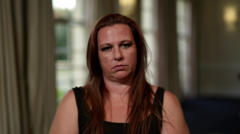
The woman, identified only as Laura, who Levy sexually assaulted in 2018, expressed her devastation, feeling betrayed by the criminal justice system. She reported Levy to the Metropolitan Police at the time, hoping to prevent further attacks, but believes a series of "disastrous decisions" by police, prosecutors, and the courts left him free to commit more crimes.
Laura recounted her encounter with Levy in August 2018, when he followed her and a friend from the London Underground to Notting Hill Carnival, where he subjected her to a serious sexual assault. Despite her distress and providing a photo of Levy, she claims initial police response was dismissive, with officers citing other urgent matters. A third officer eventually took her details but did not appear to ensure her immediate safety or actively search for Levy.
"I feel really let down by the police," Laura stated, adding that she feels "absolutely devastated for all of those women that have been affected by him – and the families." She believes that "they could have prevented so many women from being hurt. They could have prevented two women from losing their lives."
Levy was a registered sex offender due to his 2018 assaults on Laura and another victim. Despite being monitored by the Met Police, he went on to attack 14 more women before his eventual apprehension. Laura's experience highlights a significant failure in the system designed to protect the public from known offenders.
The Crown Prosecution Service, the courts, and judges who granted Levy bail are also implicated in Laura's criticism. She asserts that "they're all as guilty for allowing him to continue to do what he was doing." This sentiment underscores a deep-seated distrust in the efficacy of the justice system's handling of serious sexual offenders.
Authorities are now facing scrutiny over the multiple opportunities missed to detain Levy, despite him being a known sex offender. The case raises critical questions about police protocols, prosecution strategies, and judicial decision-making when dealing with individuals with a history of violent sexual offenses.
This article was written by AI based on publicly available news reporting. Original reporting by the linked source.