Côte d’Ivoire floods kill 59; West Africa grapples with deadly torrential rains
Floods in Côte d’Ivoire have claimed 59 lives since May, with other West African nations also reporting fatalities amid relentless rainfall.
At least 59 people have died in Côte d’Ivoire due to floods since May, the country’s communication minister announced during a cabinet meeting in Abidjan. Authorities fear the death toll may continue to rise as rescue operations persist during the region’s annual rainy season, which typically concludes in July.
These fatalities mark the latest in a series of deadly downpours affecting coastal West Africa. The region is currently experiencing persistent and severe rainfall, with meteorological authorities warning of potential intensification in the coming days. Social media footage has shown neighborhoods inundated with water, forcing residents to navigate submerged streets in search of safety.
In neighboring Ghana, at least 13 people have lost their lives. Over 400 individuals were rescued on Tuesday following significant rainfall, which the Ghana fire service reported to be approximately 140mm in a single day. This deluge far exceeds the highest single-day rainfall recorded in the country last year, which was around 56mm.
Officials attribute the increasing deadliness of these floods to climate breakdown, which is exacerbating the frequency and intensity of extreme weather events. Despite Africa's minimal contribution to global greenhouse gas emissions, the continent is disproportionately vulnerable to such climate-related disasters, according to the World Meteorological Organisation.
However, factors such as inadequate waste management systems and rapid urban population growth have also been identified as significant contributors to the current crisis, placing additional strain on existing infrastructure. The situation highlights the complex interplay between global climate patterns and local environmental management.
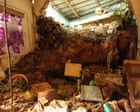
Residents in affected areas of Côte d’Ivoire, particularly in Abidjan, have been documenting the extensive damage to homes and infrastructure. Images depict houses damaged by landslides and widespread flooding, with water levels reaching significant heights in residential areas.
Ghana's President John Mahama has undertaken aerial tours of the most severely impacted regions, acknowledging the geographical challenges faced by cities like Accra, which is situated between a mountain range and the Atlantic Ocean. This geographical layout, while manageable historically, poses increased risks with more extreme weather.
The ongoing situation underscores the urgent need for adaptive strategies and infrastructure improvements across West Africa to mitigate the impact of increasingly severe weather events, driven by both global climate change and localized developmental pressures.
This article was written by AI based on publicly available news reporting. Original reporting by the linked source.