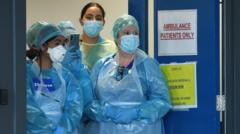
UK wasted £10bn on flawed PPE, risking NHS staff and patients, inquiry finds
The Covid inquiry revealed nearly £10bn in taxpayer money was wasted on inadequate PPE, jeopardizing NHS staff and patients.
The lives of NHS staff and patients were endangered by a critical shortage of adequate personal protective equipment (PPE) during the pandemic, with nearly £10 billion of taxpayer money wasted in a rushed procurement effort, the Covid inquiry has determined. The chair of the inquiry, Baroness Hallett, highlighted the "vast waste" in pandemic procurement, which accounted for two-thirds of the £14.9 billion spent by the UK and devolved governments on PPE.
The nation entered the pandemic with critically low stockpiles of essential items like masks, gowns, and gloves, leaving it unprepared to compete in the global market for new supplies. Baroness Hallett also criticized the "VIP lane," a controversial system that prioritized PPE offers from individuals with political connections, deeming it a misguided policy that eroded public trust. However, the inquiry found no evidence of cronyism or corruption on the part of ministers or officials in the final contract awards.
When the costs of home testing kits and other equipment, such as ventilators, are included, the total government expenditure between January 2020 and June 2022 surpassed £42 billion, according to the inquiry's findings. The UK's emergency PPE stockpile, intended to last at least 15 weeks before replenishment, was depleted by the end of March 2020 as demand from hospitals surged.
Further compounding the issue, only one-third of the masks in England's pandemic stockpile were found to be usable. Scotland had no supply of the high-grade respiratory masks required for hospital use. The report identified a significant planning failure in expecting care homes, GP surgeries, and pharmacies to procure their own PPE during this critical period.
In total, the UK government was forced to write off £9.9 billion worth of PPE that was either unused or had expired. An additional £157 million was written off for unused healthcare equipment. The ventilator challenge program, which aimed to rapidly develop breathing equipment, resulted in a £143 million charge for designs that never reached production.
Regional breakdowns show significant losses elsewhere. In Scotland, approximately £8 million of healthcare equipment, including PPE and testing kits, was written off. Wales spent £18 million on unused PPE, and in Northern Ireland, £43 million worth of masks, gowns, and gloves were at risk of expiring before use.
The inquiry concluded that while procuring excess PPE was preferable to having too little during a pandemic, supply should have been more closely aligned with demand. The report suggests that better planning would have led to fairer, faster, and less costly procurement decisions. Government contingency plans had not undergone stress testing, forcing officials and ministers to improvise and establish new emergency procurement and distribution systems rapidly.
The report also detailed failures related to England's "high priority lane," or VIP lane, introduced in April 2020. This system was designed to expedite offers of PPE contracts if they were recommended by ministers, highlighting a system that prioritized connections over preparedness and value for money.
This article was written by AI based on publicly available news reporting. Original reporting by the linked source.