Cornell student's 2024 statement: Sex felt like coercion, DA says
A Cornell student's 2024 statement described sexual encounters as coercive, leading a DA to initially not file charges. The case is now reopened.
A Cornell University student detailed a night of alleged sexual assault in a 2024 police statement, describing feelings of incapacitation and coercion during encounters at the Chi Phi fraternity house. The student stated that while some activity may have appeared consensual, she repeatedly declined specific sexual acts proposed by fraternity members.
This statement was central to the Tompkins County District Attorney Matthew Van Houten's 2024 decision not to pursue charges. Van Houten stated in a recent interview that the allegations in a subsequent civil lawsuit are "dramatically different" from those in the student's initial account.
In her 2024 statement, the student, identified as Jane Doe, recounted instances where she said no to proposed sexual activities. She described being "instantly horrified" and hiding when a group of men entered a room where she was naked. She also stated she took an additional dose of ketamine, believing that if she passed out and sex occurred, the men could be charged with rape.
The district attorney, while calling the allegations "morally disturbing," maintained that Doe's 2024 statement suggested consent to some sexual activity. He added that she did not withdraw consent and that fraternity members stopped when she raised concerns.
Doe's statement also indicated she was "totally disgusted" and "very tired and intoxicated" during a final threesome, estimating her intoxication level at "8 out of 10." She felt unable to make decisions due to her state.
The case has resurfaced following the alleged victim's lawsuit claiming gang rape and the district attorney's decision to reopen the investigation. The initial decision not to file charges has drawn scrutiny, particularly in light of the lawsuit's claims.
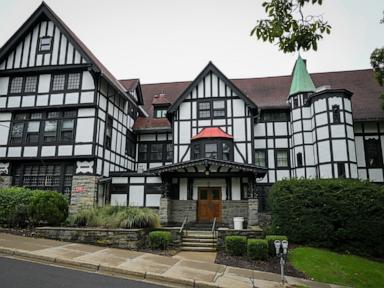
The fraternity house where the alleged events took place is located at Cornell University in Ithaca, New York. The timeline of events and the interpretation of the student's statement remain central to the reopened investigation.
Questions persist regarding the discrepancy between the 2024 police statement and the subsequent lawsuit, as well as the legal implications of the student's state of intoxication and her actions as described in her statement.
This article was written by AI based on publicly available news reporting. Original reporting by the linked source.