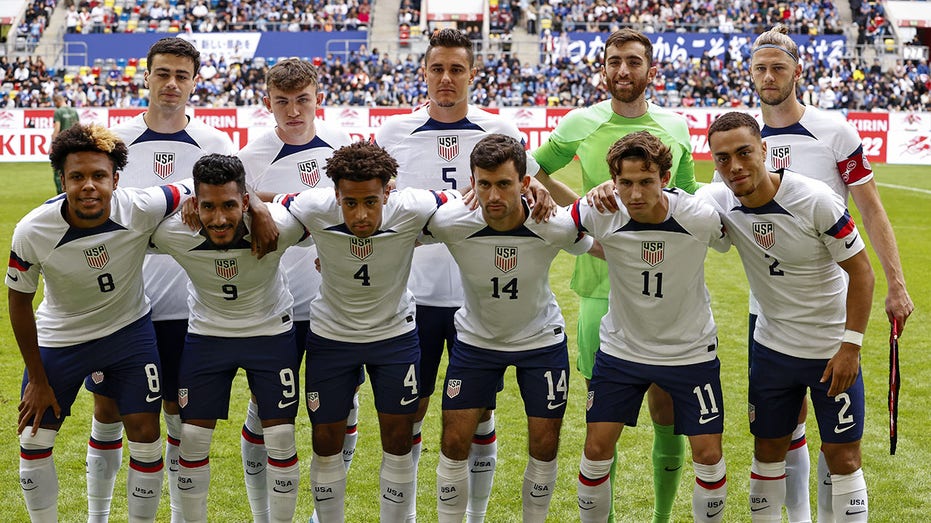
Broussard: USA's World Cup loss to Belgium revealed elite soccer gap
NBA analyst Chris Broussard believes Team USA's World Cup defeat to Belgium exposed a significant gap in elite soccer.
NBA analyst Chris Broussard stated that the United States men's national soccer team's recent World Cup loss to Belgium highlighted a considerable disparity between the American team and the sport's top global competitors. Broussard, speaking on "Don't @ Me" with Dan Dakich, suggested that the team's prior victories against lower-ranked opponents had perhaps led to an overestimation of their current standing.
This assessment comes after a disappointing performance in the Round of 16, where Team USA was decisively beaten by Belgium. The outcome has sparked considerable debate about the program's trajectory and its ability to compete at the highest international level, prompting questions about whether the team is currently better or worse than it was a decade ago.
Broussard admitted that he and his colleagues may have been overly enthusiastic due to national pride following earlier successes in the tournament. He characterized the team's performance against Belgium as lacking the intensity and skill necessary to challenge a world-class opponent, suggesting a collective "sports patriotism" had clouded objective analysis.
The loss has led to a re-evaluation of Team USA's potential and the long-term development needed to close the gap with established soccer powerhouses. The defeat serves as a stark reminder of the challenges facing the program as it aims to make a more significant impact in future World Cups.
Experts and fans alike are now scrutinizing the team's tactical approach, player development pipeline, and overall readiness for elite international competition. The narrative surrounding the team has shifted from optimism to a more critical examination of its capabilities.
Comparisons have been drawn to previous World Cup cycles, with many questioning if the investment and focus on soccer in the United States have translated into tangible progress on the global stage. The performance against Belgium has intensified these discussions, demanding a clear understanding of the obstacles ahead.
Moving forward, the focus will likely be on identifying specific areas for improvement, from coaching strategies to youth academy systems. The path to competing with the world's elite is a long one, and the recent World Cup exit underscores the significant work still required.
Unresolved questions remain about the specific shortcomings that led to the decisive loss and what concrete steps will be taken to address them before the next major international tournament. The gap, as highlighted by Broussard, presents a significant challenge for the future of U.S. soccer.
This article was written by AI based on publicly available news reporting. Original reporting by the linked source.