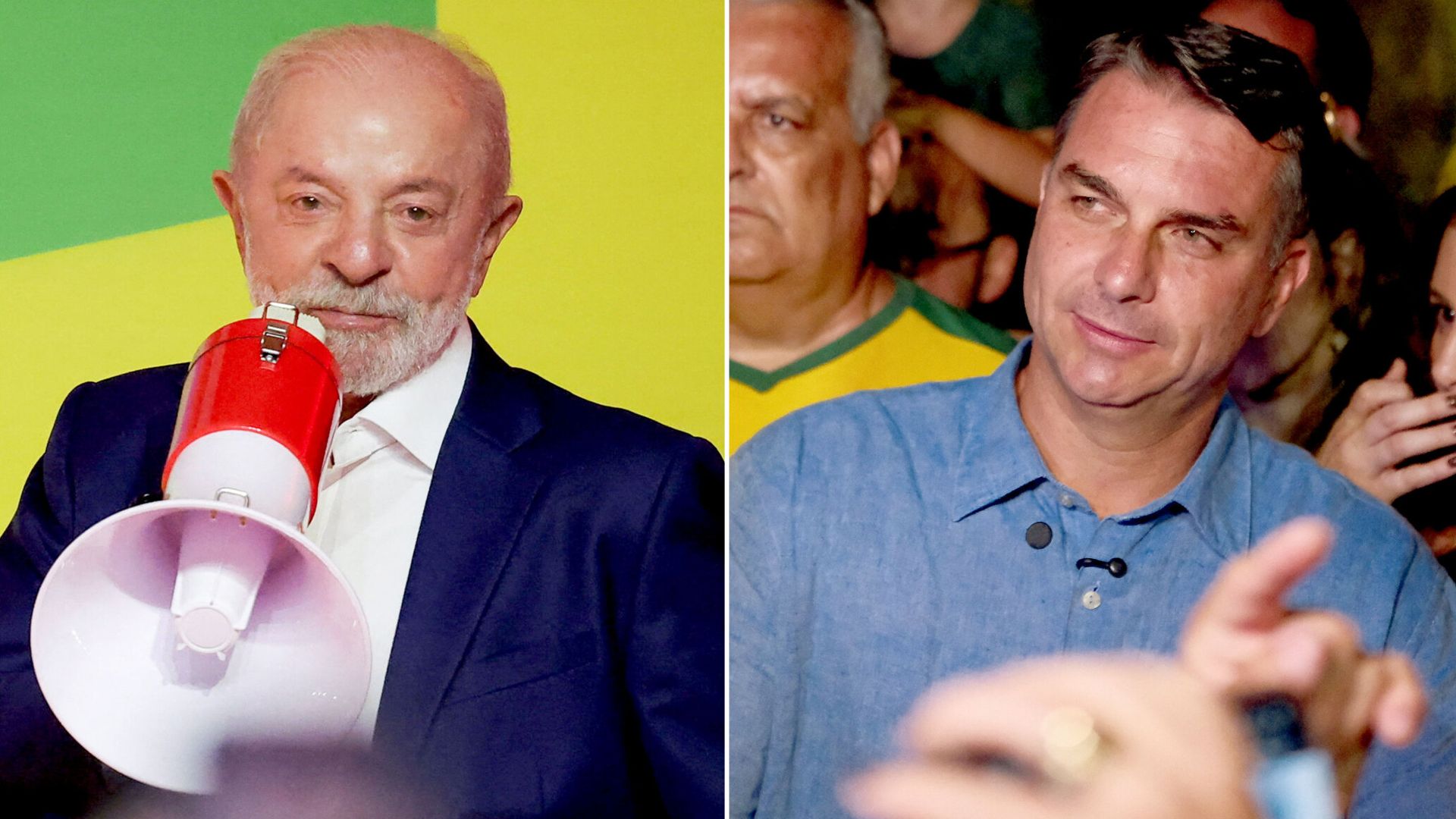
Bolsonaro and Lula Headed for Brazilian Presidential Run-off Election
Incumbent President Luiz Inacio Lula da Silva will face Senator Flavio Bolsonaro in Brazil's October 25 presidential run-off.
Brazil's electoral authority announced Sunday that President Luiz Inacio Lula da Silva and Senator Flavio Bolsonaro will compete in a presidential run-off election scheduled for October 25.
The decision sets the stage for a high-stakes contest between two prominent political figures representing different visions for the South American nation. The outcome is expected to have significant implications for Brazil's domestic policies and its role on the global stage.
Official results released by the Superior Electoral Court confirmed that neither candidate secured the necessary 50% of valid votes to win outright in the initial round. The electoral authority's announcement followed the tallying of votes across the country.
The run-off means that the election will proceed to a second round, allowing voters another opportunity to choose between the two leading contenders. This process is common in Brazilian presidential elections when no candidate achieves an outright majority in the first vote.
President da Silva, representing the Workers' Party, is seeking re-election, while Senator Bolsonaro, a member of the Liberal Party, is aiming to unseat the incumbent. Their campaigns have focused on distinct policy platforms, touching on economic development, social programs, and environmental protection.
Analysts suggest the run-off will intensify political debate and campaigning over the coming weeks. Both candidates will likely seek to appeal to voters who supported other candidates in the first round, aiming to broaden their coalitions.
The electoral process in Brazil is managed by the Superior Electoral Court, which oversees all aspects of elections, ensuring fairness and transparency. The court's role is crucial in upholding democratic principles and validating election results.
With the run-off date set, Brazil now awaits the outcome of this closely watched electoral contest, which will determine the country's leadership for the next term.
This article was written by AI based on publicly available news reporting. Original reporting by the linked source.