Ten Children Among 13 Killed in Separate Bangladesh Landslides
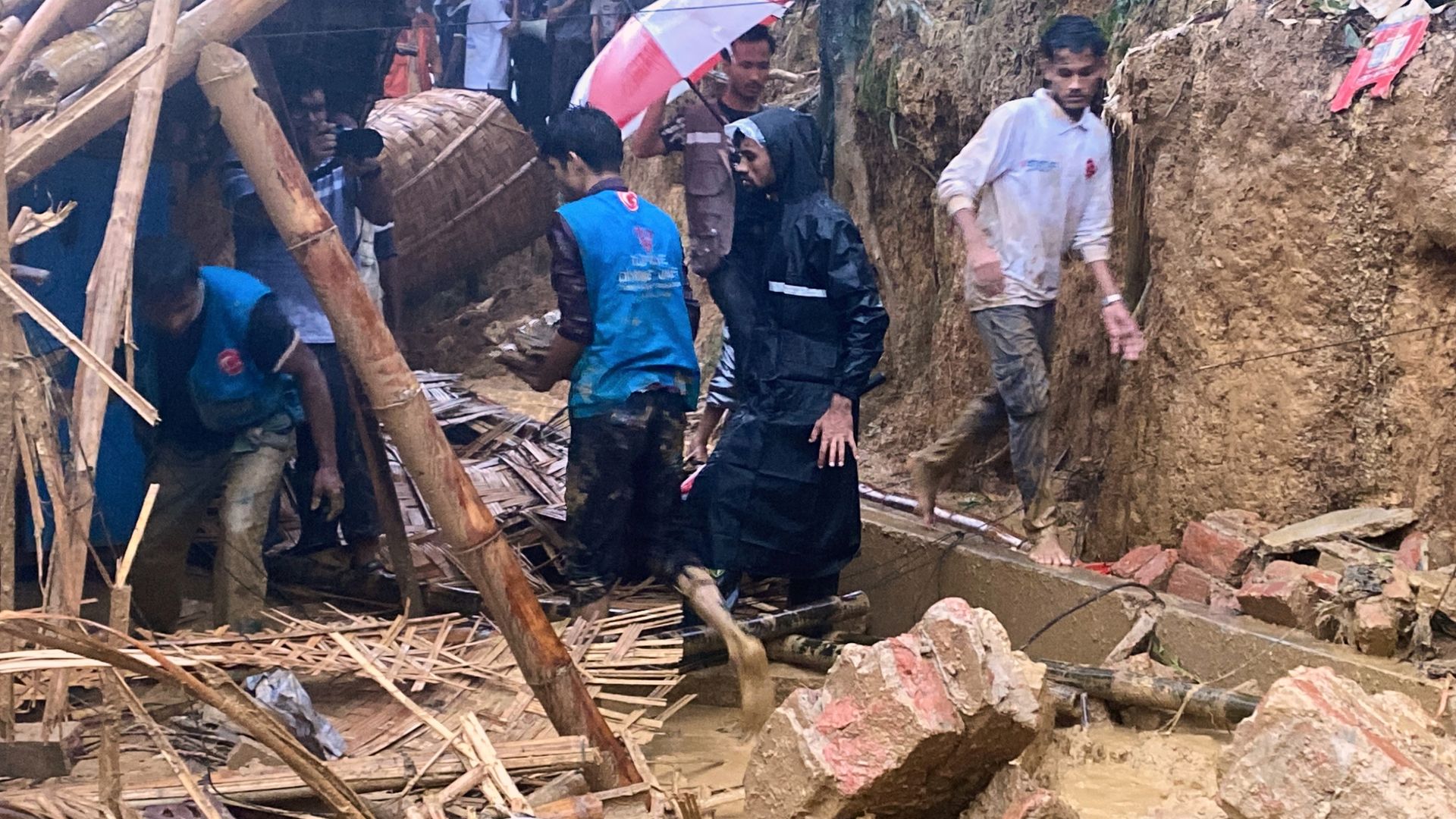
At least 13 people, including ten children, died in two separate monsoon-triggered landslides in Bangladesh within two days.
At least 13 people, including ten children, have died in two separate landslides that struck Bangladesh in quick succession, exacerbated by heavy monsoon rains.
The incidents highlight the vulnerability of communities living in hilly regions during the annual monsoon season, which often brings torrential downpours that can trigger devastating landslides.
In the most recent incident, at least five children perished when a landslide occurred following intense rainfall. This tragedy followed closely on the heels of another landslide two days prior, which claimed the lives of eight individuals, including five children.
The recurring nature of these disasters underscores the urgent need for improved disaster preparedness and mitigation strategies in vulnerable areas across the country. Experts have long warned about the risks posed by deforestation and unplanned settlements in hilly terrains.
Local authorities have been involved in rescue and relief efforts following both events. However, the scale of the loss, particularly among young victims, has cast a somber shadow over the affected communities.
Bangladesh experiences monsoon rains annually, and while these are crucial for agriculture, they also bring significant risks of flooding and landslides, especially in the southeastern districts. The government has, in the past, implemented early warning systems and relocation programs, but their effectiveness is often challenged by the sheer scale of the affected population and the unpredictable nature of extreme weather events.
Disaster management officials have emphasized the importance of heeding weather advisories and avoiding settlement in known landslide-prone zones. However, for many impoverished families, these areas represent the only affordable or available land for housing.
Questions remain about the long-term strategies to protect vulnerable populations from such recurring natural calamities and the extent to which infrastructure and early warning systems can be bolstered to prevent future loss of life.
This article was written by AI based on publicly available news reporting. Original reporting by the linked source.