Archbishop Mullally Pledges £100m Support for Slavery Reparations Fund
Archbishop of Canterbury Sarah Mullally visited Cape Coast Castle in Ghana, expressing regret and backing a £100m fund for communities impacted by slavery.
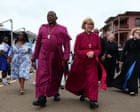
The Archbishop of Canterbury, Sarah Mullally, has vowed to support a controversial £100m fund aimed at assisting communities affected by transatlantic chattel slavery. Mullally made the commitment during a visit to Cape Coast Castle in Ghana, a historic fortress where thousands of enslaved Africans were held before being transported across the Atlantic.
Her visit to the 17th-century castle, which has served under Swedish, Danish, Dutch, and British control, underscores the Church of England's historical ties to the slave trade. The Archbishop's presence at this significant site highlights the ongoing reckoning with the legacy of enslavement.
Mullally described her experience at Cape Coast Castle as profoundly moving, stating it was "impossible not to feel the weight of the immense evil that drove the transatlantic slave trade." She toured the dungeons where enslaved people were imprisoned and prayed in a former Anglican chapel situated above them. She also visited the site known as the "Door of No Return," now renamed the "Door of Return," marking the final point of departure for many.
This pledge of support for the £100m fund is seen by some as a symbolic gesture of repentance and a commitment to restorative justice. The fund aims to address the enduring impacts of slavery on contemporary communities.
The Archbishop's trip to Ghana and Cameroon, lasting ten days, was at the invitation of Archbishop Cyril Kobina Ben-Smith, the head of the Anglican church’s west Africa province. Her visit began in Accra, where she participated in services and engaged with local parishes, including one led by an all-female clergy.
Mullally's predecessor, Justin Welby, had previously expressed "deep sorrow" for the Church of England's role in slavery. The £100m fund, first announced in 2023, has been met with mixed reactions, with some critics questioning its adequacy and others seeing it as a necessary step towards reconciliation.
Discussions around reparations for the transatlantic slave trade have gained momentum globally, with various institutions and governments grappling with how to acknowledge and address historical injustices. The Church of England's commitment, articulated by its leader at a site of such historical significance, places it at the forefront of these ongoing conversations.
Further details on the allocation and distribution of the £100m fund are expected to be released as the Church of England works with partner organizations. The Archbishop's visit is intended to foster deeper understanding and collaboration in addressing the complex legacy of slavery.
This article was written by AI based on publicly available news reporting. Original reporting by the linked source.