Andy Burnham Tipped for Labour Leadership as Starmer Departs
Andy Burnham is the likely successor to Keir Starmer as Labour leader, following Starmer's resignation announcement and Streeting's endorsement.
Westminster is buzzing with accelerated shifts in power, following Sir Keir Starmer's announcement of his departure and the endorsement of Greater Manchester Mayor Andy Burnham by Wes Streeting, a key potential rival. These two moments on Monday significantly increased the likelihood of Burnham succeeding Starmer, possibly in the near future. Burnham's potential ascent to the role of UK Prime Minister would mark the fifth change in that office within four years.
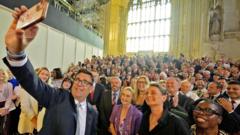
The political landscape in Westminster is characterized by its relentless pursuit of power, and Monday's events have dramatically altered its trajectory. The imagery of the new MP for Makerfield, Andy Burnham, surrounded by Labour MPs, contrasts with the emotional scenes of Sir Keir Starmer and his wife as the outgoing leader outlined his resignation plans. This transfer of power, though potentially swift, highlights the dynamic and often brutal nature of political leadership.
Chancellor Rachel Reeves' presence at Burnham's event has drawn attention. While supporters might argue that her continued presence at the Treasury could reassure financial markets, sources suggest Burnham is unlikely to retain her, given her close association with Starmer's administration. Some speculation points to Wes Streeting as a potential replacement for Reeves, though Streeting has denied any offer for the position.
Following the dramatic developments of Monday, the Labour Party faces significant questions, and Burnham himself is under scrutiny. Concerns have been raised about the optics of a candidate, who was not even a parliamentary candidate at the last general election and only recently became an MP, potentially becoming Prime Minister within a month. This rapid rise is being juxtaposed with his previous unsuccessful bids for the Labour leadership.
Critics have pointed to Burnham's past leadership challenges, noting that he lost to Ed Miliband in 2010 and Jeremy Corbyn in 2015. Miliband subsequently lost the 2015 general election, while Corbyn led the party to defeats in 2017 and 2019. This history is being used by some to question Burnham's electability and leadership credentials.
Further complicating the narrative are the broader implications for the Labour Party. The swiftness of Starmer's departure and the maneuvering for succession raise questions about party unity and the direction it will take under new leadership. The focus now shifts to how Burnham, if he secures the leadership, will navigate these internal dynamics and present a unified front to the electorate.
The timing of these events also places significant pressure on the party to present a stable and credible alternative government. With a general election on the horizon, the internal contest for leadership could distract from key policy debates and the party's broader message to voters.
Unresolved questions remain regarding the timeline for the leadership contest, the field of candidates who might emerge, and the ultimate vision for the Labour Party under its next leader. The coming weeks are expected to provide more clarity on these crucial aspects of British politics.
This article was written by AI based on publicly available news reporting. Original reporting by the linked source.