Algae-Marred Reflecting Pool Becomes Unintended Tourist Draw
The Lincoln Memorial Reflecting Pool, recently repainted blue, is attracting tourists due to significant algae blooms and peeling paint.
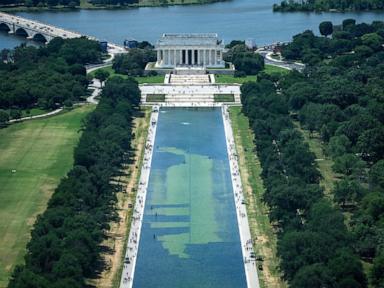
Washington D.C. - The Lincoln Memorial Reflecting Pool, recently the subject of a costly renovation project, has become an unexpected tourist attraction, not for its intended grandeur, but for its striking algae blooms and deteriorating paint.
Workers are once again battling extensive algae growth in the pool, which was recently repainted a shade of American flag blue. The renovation, which cost over $14.65 million, was a signature improvement project championed by President Donald Trump ahead of the U.S. 250th anniversary.
On Friday afternoon, visitors were observed pausing to photograph the green film covering the water's surface and the peeling blue paint. Many quipped about the rapid decline of the renovation's appearance. Protesters were also present, holding a "Team Algae" sign and highlighting the perceived ineffectiveness of the cleanup efforts.
Multiple National Park Service workers were seen actively working in the pool, attempting to remove the algae by pumping it into drains. The green algae is visible along the pool's edges and in large patches in the center, with additional unidentified white masses also present in the water.
The Department of the Interior stated that the pool's water had been "crystal clear" earlier in the week, with National Park Service teams vacuuming dead algae. However, the department acknowledged that all reopenings of the pool have been plagued by algae blooms, and the vacuuming process was expected to take several days.
To combat the discoloration and filth, the department has deployed both hydrogen peroxide treatments and nanobubble ozone technology. Despite these efforts, the visual impact of the algae bloom has overshadowed the recent renovations.
This situation raises questions about the long-term maintenance and effectiveness of the renovation project. The public's reaction, captured by tourists and protesters alike, underscores a disconnect between the project's intended patriotic symbolism and its current aesthetic reality.
Further information has been sought from the National Park Service and the Department of the Interior regarding the ongoing issues and the effectiveness of the treatments being used.
This article was written by AI based on publicly available news reporting. Original reporting by the linked source.