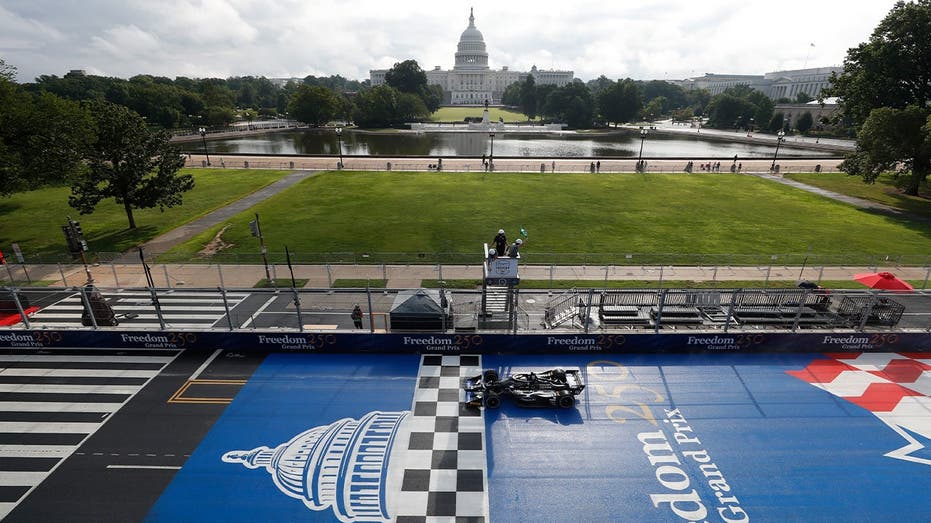
Alex Palou Leads Practice Amidst Freedom 250 Red Flags
Alex Palou topped the final practice session for the Freedom 250 Grand Prix, which saw multiple red flags due to track issues.
Alex Palou set the fastest lap in the final practice session for the inaugural Freedom 250 Grand Prix in Washington, D.C. The session, held on August 22, 2026, was significantly disrupted by multiple red flags as drivers navigated the challenging new street circuit.
The Freedom 250 marks a historic first for the IndyCar series, bringing its high-speed racing to the streets of the nation's capital. This event is expected to draw significant attention, testing both the drivers' skills and the durability of the cars on an unfamiliar urban track.
Several incidents led to the practice session being halted. The primary challenge identified by drivers and teams appears to be a significant bump into Turn 6, which proved to be the trickiest part of the circuit. These disruptions highlighted the unpredictable nature of street races, especially on a newly designed course.
The performance during this final practice session provides a crucial indicator for teams heading into qualifying. The ability to adapt to the track's quirks and manage the disruptions will be key for success in the main race. The mixed conditions and interruptions suggest that qualifying could also be eventful.
Drivers experienced the street circuit for the first time in a damp practice session earlier in the day. While that session allowed teams to test wet tires, the second session commenced on a dry track. Despite the improved conditions, the track's inherent difficulties, particularly the bump in Turn 6, continued to pose problems for the field.
Incidents causing red flags included a moment involving Graham Rahal's No. 15 H car, though details of other specific incidents were not fully elaborated. The repeated stoppages meant limited track time for many drivers, adding pressure as they prepared for the critical qualifying runs.
IndyCar's venture into Washington, D.C., for the Freedom 250 is seen as a significant moment for the sport, aiming to broaden its fanbase and showcase its premier talent on a unique stage. The success of the event hinges not only on the racing spectacle but also on the safe navigation of the complex street circuit.
As the drivers and teams finalize their preparations, the focus remains on overcoming the challenges presented by the Washington, D.C. circuit. The disruptions in practice suggest that the upcoming qualifying session and the race itself could be unpredictable, with driver adaptability and car setup playing pivotal roles.
This article was written by AI based on publicly available news reporting. Original reporting by the linked source.