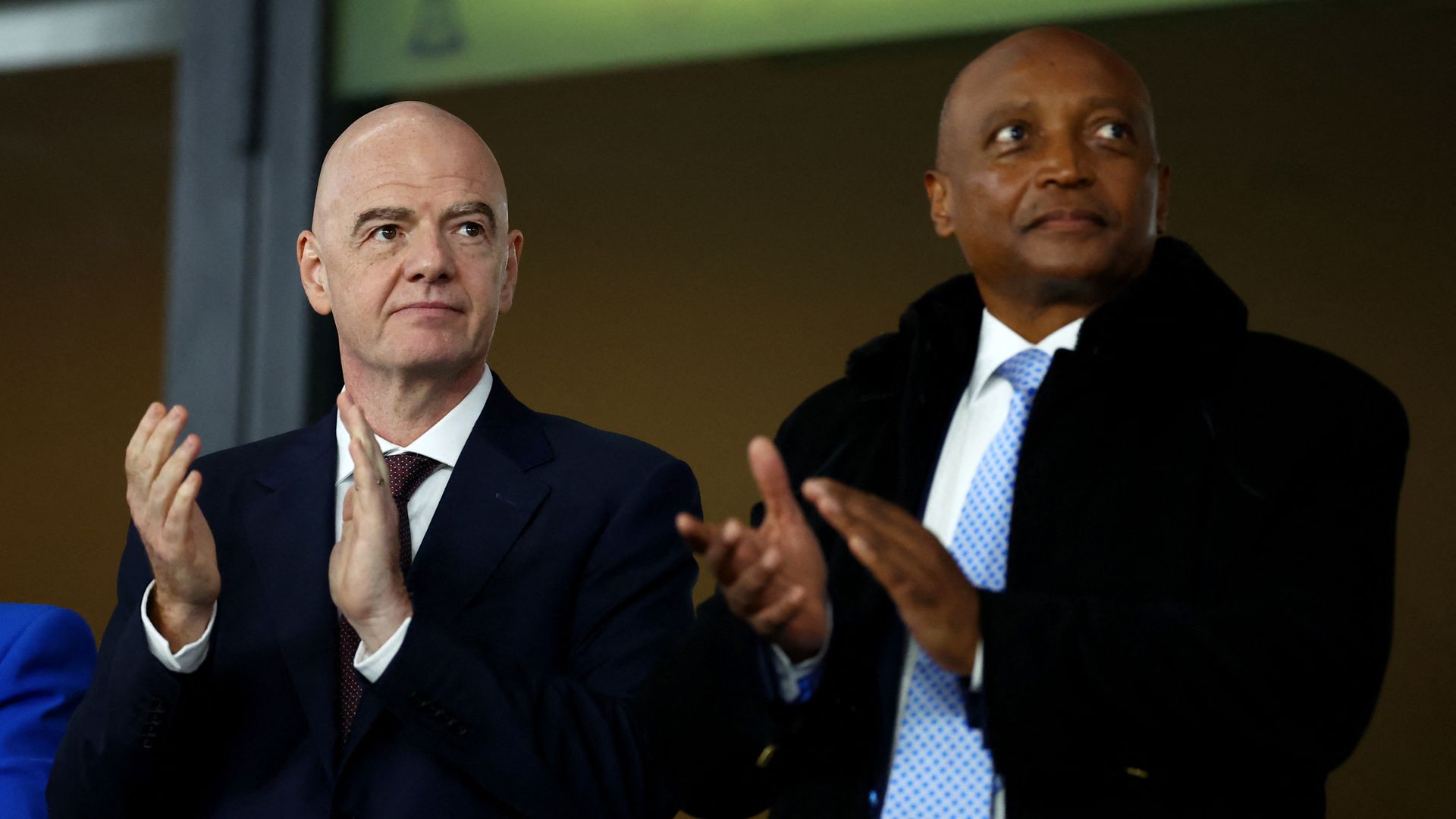
African Football Chief Warns Against Ousting FIFA President Infantino Early
African football leader cautions against early FIFA presidential ouster, stating elections are the proper challenge method.
The head of African football has urged caution to those seeking to remove FIFA President Gianni Infantino, emphasizing that the established election process is the appropriate avenue for challenging his leadership. Speaking to Sky News, the official, whose name was not disclosed, advised against pursuing methods to force the embattled president out before his term concludes.
Infantino, who has led world football's governing body since 2016, has faced scrutiny and controversy during his tenure. The remarks come as speculation and internal discussions about FIFA's leadership continue, highlighting a delicate political landscape within the organization.
The African football leader stressed that while challenges to Infantino's position are expected and legitimate within the democratic framework of FIFA, any attempts to bypass the electoral system could be destabilizing. He indicated that any significant opposition or desire for change should be channeled through the upcoming FIFA Congresses and presidential elections.
This warning suggests a potential internal division or at least a strategic stance from a significant bloc within FIFA. By advocating for the electoral route, the African football chief appears to be promoting stability and adherence to FIFA's statutes, even while acknowledging the possibility of a leadership contest.
The FIFA presidency is a powerful position, overseeing a global organization with immense financial and sporting influence. Changes in leadership can have far-reaching consequences for the development of football worldwide, including funding for infrastructure, youth development programs, and the organization of major tournaments.
Infantino's presidency has seen significant reforms and commercial growth for FIFA, but it has also been marked by investigations and ethical questions. The president himself has previously faced investigations by the FIFA Ethics Committee, though he has consistently denied any wrongdoing.
The comments from the African football leader underscore the importance of procedural fairness and the established governance structures within international sports bodies. It serves as a reminder that while political maneuvering is common, maintaining the integrity of the process is paramount for long-term credibility.
As the global football community looks ahead, the focus remains on how any challenges to Infantino's leadership will unfold, whether through formal electoral processes or other means, and what impact these dynamics will have on the future direction of the sport.
This article was written by AI based on publicly available news reporting. Original reporting by the linked source.