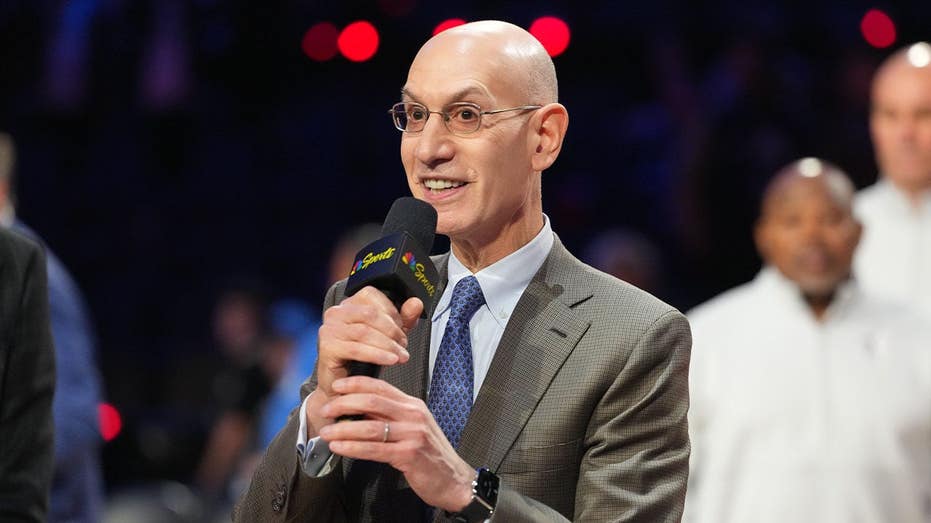
Adam Silver: WNBA Ignores Reality, Treats Caitlin Clark Like 'Political Football'
NBA Commissioner Adam Silver labeled Caitlin Clark a 'political football,' criticizing the WNBA for avoiding discussions on officiating and hard fouls against her.
NBA Commissioner Adam Silver has characterized the ongoing attention surrounding WNBA star Caitlin Clark as a "political football," suggesting the league has been hesitant to directly address the issue of hard fouls and officiating that have targeted her.
Silver's comments, made public on July 16, 2026, come amid increased scrutiny of the WNBA's handling of physical play directed at its most prominent rookie. Clark, the Indiana Fever's highly anticipated draft pick, has been on the receiving end of several hard fouls this season, sparking debate among fans, media, and former players about player safety and the league's officiating standards.
While acknowledging that WNBA officiating requires improvement, Silver stopped short of directly confronting the specific incidents or the league's perceived inaction. Instead, he opted for broader statements that seemed to deflect from the core of the controversy. This approach has drawn criticism from those who believe the league should take a more definitive stance to protect its star players and maintain the integrity of the game.
The commissioner's framing of Clark as a "political football" implies that the discourse around her has become entangled with broader social and political narratives, potentially overshadowing the athletic performance and on-court issues. This suggests a reluctance from the league to engage in a straightforward discussion about the challenges Clark faces.
This situation highlights a recurring challenge for the WNBA: balancing the need to promote its star players and growing fanbase with the inherent physicality of the sport. The league has seen a significant surge in interest, largely attributed to Clark's arrival, and maintaining this momentum is crucial. However, concerns about player safety and officiating standards could potentially undermine this growth if not adequately addressed.
Critics argue that the WNBA, under Commissioner Cathy Engelbert, has been too passive in addressing the rough play directed at Clark. They point to instances where opponents have committed flagrant fouls, and the subsequent disciplinary actions or lack thereof have been perceived as insufficient. This has led to accusations that the league is not adequately protecting its most valuable asset.
Silver's remarks, while acknowledging a need for officiating improvement, have done little to quell the criticism. The "political football" analogy suggests a complex web of external pressures and internal hesitations that are preventing a clear resolution. The league now faces the challenge of navigating these complexities while ensuring a safe and fair environment for all its players.
Moving forward, the WNBA will need to demonstrate a more proactive approach to officiating and player safety. How the league addresses these concerns will be critical in maintaining fan trust and the continued growth of women's professional basketball, especially as the season progresses and more attention is focused on these issues.
This article was written by AI based on publicly available news reporting. Original reporting by the linked source.