6.8 Magnitude Quake Rocks Southern Japan, Injuring 50+
A powerful 6.8 magnitude earthquake struck southern Japan, causing at least 50 injuries, trapping shoppers, and cutting power to 40,000 homes.
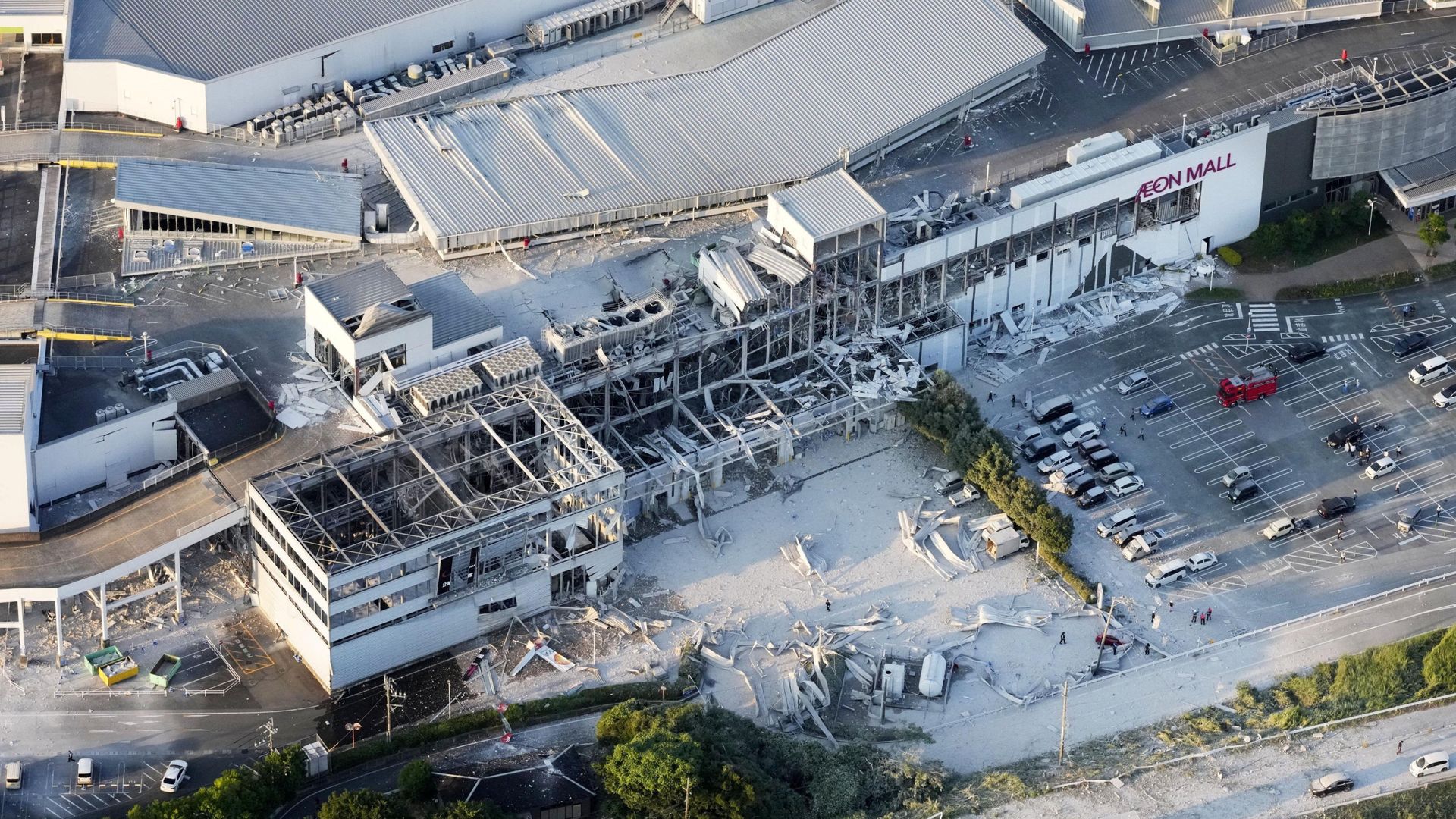
A significant 6.8-magnitude earthquake jolted southern Japan on [Date of event, if available, otherwise omit], injuring at least 50 people and causing widespread disruption. The seismic event also trapped an unknown number of shoppers inside a local shopping center and left approximately 40,000 homes without electricity.
The earthquake's epicenter was located in a region prone to seismic activity, highlighting Japan's ongoing vulnerability to natural disasters. The intensity of the tremor has raised concerns about structural integrity of buildings and infrastructure in the affected areas.
Emergency services were immediately deployed to assess the damage and provide assistance to those affected. Reports indicate that rescue efforts are underway to free shoppers trapped in the damaged commercial building. The power outages are affecting a substantial portion of the region, impacting daily life and emergency response capabilities.
Authorities are urging residents to remain vigilant and follow safety guidelines. The full extent of the damage is still being assessed, but the immediate priority is the safety of those impacted by the quake, particularly those trapped and those without power. Further updates on injuries and infrastructure damage are expected as the situation develops.
Japan's geographical location on the Pacific Ring of Fire makes it one of the most seismically active countries in the world. The nation has a long history of experiencing powerful earthquakes and has developed sophisticated early warning systems and building codes to mitigate potential damage.
This latest tremor serves as a stark reminder of the constant threat posed by seismic events. The rapid response from emergency services and the resilience of the Japanese people are crucial in navigating the aftermath of such disasters.
Officials are investigating the cause of the power outages and working to restore electricity as quickly as possible. The number of injuries is expected to rise as a more comprehensive assessment of the situation becomes available.
Unresolved questions remain regarding the structural safety of buildings in the immediate vicinity of the epicenter and the total number of individuals affected by the power disruptions. The long-term impact on the region's infrastructure and economy will also be a focus of future assessments.
This article was written by AI based on publicly available news reporting. Original reporting by the linked source.